
neutral safety switch for manual transmission
The neutral safety switch for manual transmission prevents engine start unless the clutch is depressed, ensuring safe operation. It is mounted near the pedal assembly and wired to the starter relay, providing a simple yet effective safety mechanism for manual gearboxes.It is essential for safe starts.
Purpose and basic function
The neutral safety switch for manual transmission is a critical safety device that ensures the engine can only start when the clutch pedal is fully depressed, preventing accidental starts while the vehicle is in gear. It operates by detecting the position of the clutch release mechanism and sending a signal to the starter relay. When the clutch is engaged, the switch closes the circuit, allowing the starter motor to engage. If the clutch is not depressed, the switch remains open, blocking the starter and preventing the engine from turning over. This simple yet effective system reduces the risk of sudden vehicle movement, protects the drivetrain, and complies with safety regulations in many jurisdictions. In addition, the switch can be integrated with modern electronic control modules, enabling diagnostic trouble codes for malfunctioning clutch position sensors. Proper installation and regular inspection are essential to maintain reliable operation and to avoid false neutral or stuck position conditions that could lead to unsafe driving scenarios. Ultimately, the reliable operation of a neutral safety switch for manual transmission hinges on proper calibration, routine checks for wear, and adherence to manufacturer guidelines, ensuring that every start is safe and that the vehicle’s drivetrain remains protected from inadvertent engagement while in gear. By adding a neutral safety switch for manual transmission, owners reduce clutch wear, lower accidental gear engagement risk, and improve overall vehicle safety today now!!!
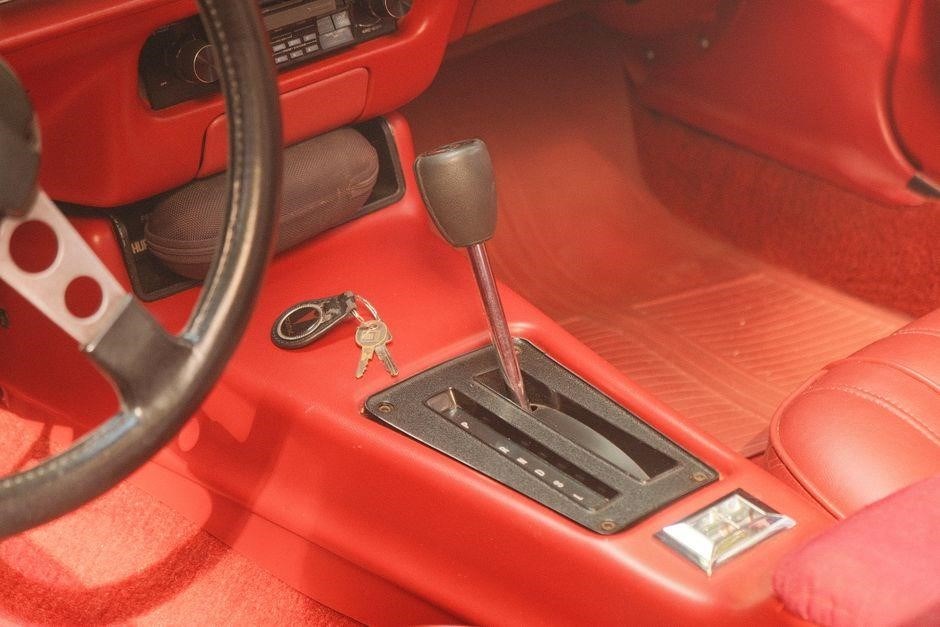
Historical development of neutral safety switches in manual transmissions
The first neutral safety switches emerged in the 1950s, initially simple mechanical levers tied to the clutch pedal. Over time, designs evolved toward more reliable, compact units, eventually integrating with electronic control systems. Modern switches remain essential for safe manual‑gear starts. Now.
Evolution from mechanical to electronic designs
Early neutral safety switches were purely mechanical, using a lever or cam attached to the clutch pedal to interrupt the starter circuit when the pedal was not fully depressed. These designs were robust but bulky, and they required frequent adjustment to maintain proper alignment. As automotive electronics advanced in the 1970s, manufacturers began to replace the mechanical linkage with a small switch mounted directly on the clutch fork. This switch would close the circuit only when the clutch moved beyond a preset angle, allowing the engine to start safely while reducing wear on the pedal assembly. The transition to electronic control systems in the 1980s introduced micro‑sensors that detected pedal position through potentiometers or Hall‑effect sensors. These sensors fed data to the engine control unit (ECU), which could then enable the starter relay only when the clutch was engaged. The electronic approach offered greater precision, lower maintenance, and the ability to integrate with other safety features such as anti‑rollover sensors. Modern vehicles often use a single integrated module that combines the neutral safety function with the transmission position sensor, especially in shift‑by‑wire configurations. This integration reduces wiring complexity and improves diagnostic capabilities. The evolution from mechanical to electronic designs has thus far improved reliability, safety, and ease of installation, making the neutral safety switch a standard component in contemporary manual transmissions. — safety
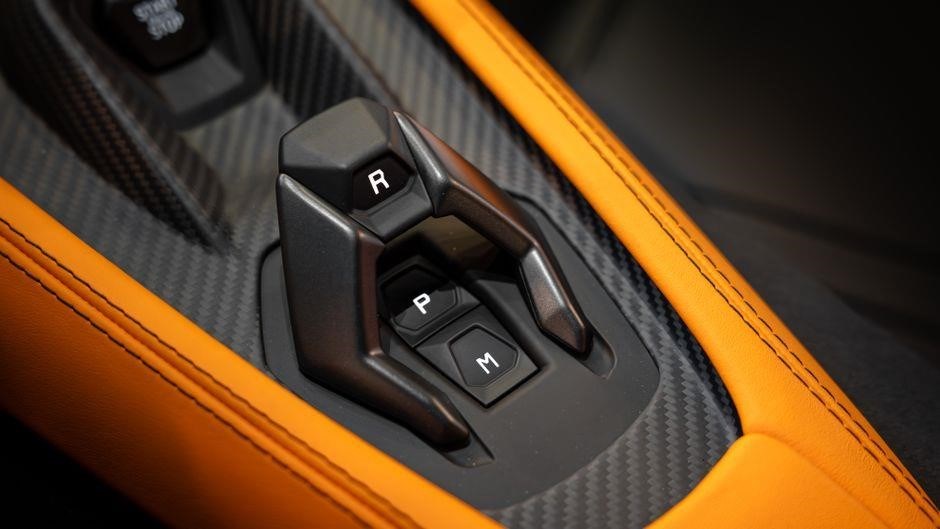
Installation considerations for a neutral safety switch
Mount the switch on the clutch fork or pedal assembly, ensuring it does not interfere with pedal travel. Connect the 12‑V signal line to the starter relay and a ground reference. Test the start in neutral to confirm proper alignment and prevent false trips. Check switch polarity before install. Done. All
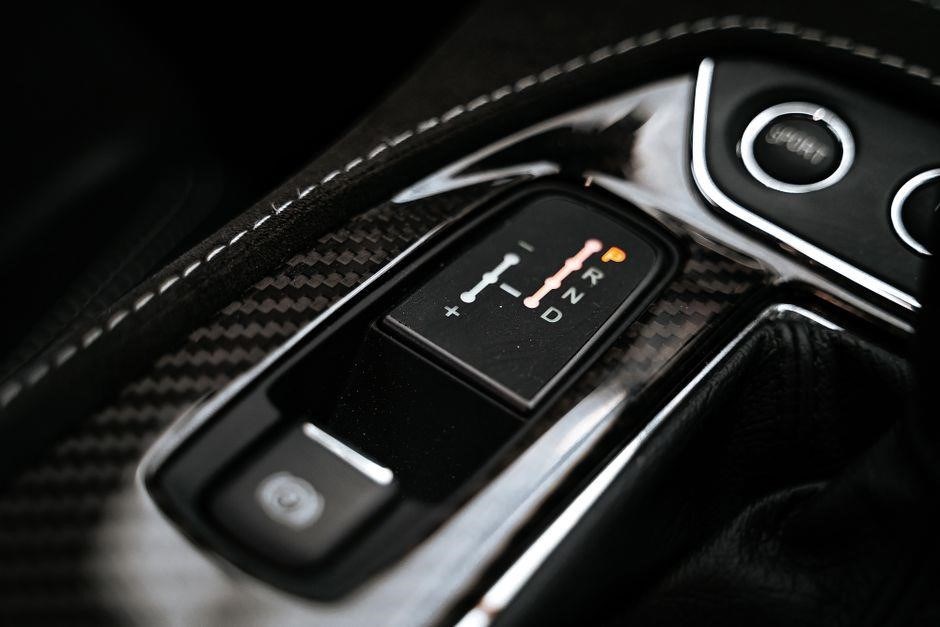
Mounting locations and wiring connections
Mount the switch on the clutch fork or pedal assembly so it engages only when the clutch is depressed. Secure it with a bracket that matches the vehicle’s frame and verify the lever arm does not interfere with pedal travel. Wire the switch with three terminals: 12‑V power from the ignition switch, a ground to a clean chassis point, and a signal to the starter relay. Use shielded cable for the signal line to reduce electrical noise. Test by placing the vehicle in neutral; the starter should not engage unless the clutch is pressed. If the starter activates in gear, double‑check alignment and wiring continuity. A multimeter can confirm the signal line is open when the clutch is released and closed when pressed. Proper mounting and wiring ensure compliance with safety regulations and extend the switch’s life by minimizing mechanical stress and electrical interference. When installing, always verify that the switch’s actuator is aligned with the clutch release lever to avoid premature engagement. The signal wire should be routed along the vehicle’s existing harness to minimize clutter. In vehicles with a dual‑mode starter, the neutral safety switch can also serve as a key‑on indicator, providing an additional safety check. For aftermarket installations, choose a switch rated for at least 30 A to handle peak starter currents. Finally, document the wiring diagram and test the system under load to confirm reliability. After installation, perform a short drive test to ensure the starter engages only in neutral and the switch remains responsive very under humidity levels and conditions;

Common issues and troubleshooting steps
Common problems include false neutral, stuck switch, wiring faults. Check power, ground, signal continuity. Use a multimeter to verify 12V at switch when clutch depressed. Inspect actuator alignment. Replace if contacts are corroded or worn. Verify the switch’s resistance. Check continuity. Now.
Diagnosing false neutral or stuck position conditions
When a manual transmission neutral safety switch reports a false neutral or remains stuck, the first step is to inspect the mechanical linkage between the clutch pedal and the switch actuator. A mis‑aligned or damaged lever can prevent proper engagement, causing the switch to stay in the off state even when the clutch is fully depressed. Use a flashlight to examine the pivot point for wear or debris. Next, verify the electrical continuity of the switch contacts by disconnecting the wiring harness and applying a 12‑volt source to the input terminals while observing the output. A healthy switch should show a low resistance path to the starter relay when the clutch is engaged. If the resistance is high or infinite, the contacts are likely corroded or the internal spring has failed, requiring replacement. Additionally, check the wiring harness for frayed insulation or pinched conductors that could intermittently cut power to the switch. Employ a multimeter to trace the circuit from the switch to the starter relay, ensuring a solid ground connection. Finally, confirm that the switch is correctly oriented on the pedal assembly; a reversed installation can cause the switch to misinterpret the pedal position. After correcting alignment, cleaning, or replacing the switch, re‑test the vehicle’s starting sequence to ensure the neutral safety logic now functions as intended. If cleaning the switch contacts fails, check the clutch hydraulic for leaks.

Compatibility with modern vehicles and shift‑by‑wire systems
Modern shift‑by‑wire cars use integrated position sensors that also serve as the neutral safety switch. For transmissions, switches must match the vehicle’s electrical interface provide a low‑resistance path to the starter relay.!
Integration with transmission position sensors
The integration of a neutral safety switch with transmission position sensors is critical in modern manual transmissions, especially in vehicles that employ shift‑by‑wire technology. The sensor typically monitors the gear selector lever’s position and relays that data to the vehicle’s electronic control unit (ECU). When the switch is wired in parallel with the sensor, it provides a fail‑safe mechanism: if the sensor fails to detect a neutral position, the switch can still prevent the engine from starting unless the clutch pedal is fully depressed. This dual‑layer protection is essential for compliance with safety regulations and for preventing accidental starts that could lead to loss of control or collisions. In many aftermarket installations, the neutral safety switch is mounted on the clutch pedal assembly, while the position sensor is located on the gear shift shaft. Wiring harnesses must be routed carefully to avoid interference with other components, and connectors should be shielded to reduce electrical noise. The ECU typically expects a low‑impedance signal from the position sensor; therefore, the neutral safety switch must be designed to match that impedance, often using a 12‑V supply and a 10‑kΩ pull‑up resistor. If the impedance is too high, the ECU may misinterpret the signal and disable the engine start. During integration, technicians must verify that the sensor’s output polarity matches the ECU’s input requirements. Some
Cost and procurement of neutral safety switches for manual transmission
Prices range $30–$120 based on brand and features. OEM parts cost more, aftermarket offers similar performance at lower prices. Buy from automotive distributors, online shops, or manufacturers. Compare shipping, warranty, and return policies before purchasing. Verify ECU compatibility and mounting specs.
Price ranges and sourcing options
Neutral safety switches for manual transmissions typically cost between $30 and $120, depending on brand, build quality, and whether the part is OEM or aftermarket. OEM units, sourced directly from the vehicle manufacturer, sit at the higher end of the spectrum and often come with a longer warranty, but they also need a more precise fitment and may need a custom mounting bracket. Aftermarket switches, on the other hand, are available from a variety of suppliers and can be found for as little as $30, though the lowest‑priced models may lack advanced features such as diagnostic LEDs or integrated micro‑switches. When shopping, it is essential to verify that the switch is compatible with the specific clutch pedal assembly and that the wiring harness matches the vehicle’s starter relay configuration. Major online marketplaces such as Amazon, eBay, and specialized automotive parts retailers like RockAuto or AutoZone provide a wide selection, often with customer reviews that can help gauge reliability. Local auto‑parts stores and salvage yards are also viable options, especially for older models where a direct OEM part may be difficult to locate. Shipping times vary from same‑day delivery for local stores to several days for international orders, and shipping costs add $5–$15 to the final price. Warranty policies differ: many aftermarket brands offer a 90‑day return window, while OEM parts typically carry a one‑year warranty. See part list.

Safety implications and regulatory requirements
The neutral safety switch for manual transmission is required by safety regulations to prevent engine start unless the clutch is depressed. Proper installation and wiring ensure compliance with federal safety standards, and failure to meet these can lead to fines or recalls and ensure compliance fully
Compliance with emission and safety standards
The neutral safety switch for manual transmission is essential for meeting emission and safety regulations worldwide. It ensures the engine starts only when the clutch pedal is fully depressed, preventing unintended acceleration and reducing idle emissions. Regulatory agencies such as the U.S. EPA, the EU’s Euro 6, and FMVSS 112 require a clutch safety mechanism to avoid accidental starts in neutral or gear positions. Compliance is verified through laboratory tests that simulate high temperatures, low battery voltage, and mechanical wear. Manufacturers must document electrical continuity, resistance, and response time, and the switch is integrated into the ECU to disable the starter solenoid until the clutch position sensor confirms engagement. This integration satisfies safety mandates and enhances emission control by eliminating unnecessary cranking. Failure to meet these standards can trigger recalls or NHTSA inspections. In modern vehicles, the neutral safety switch works with shift‑by‑wire systems and transmission position sensors to maintain compliance with stringent limits set by national and international regulatory frameworks. Automotive manufacturers also incorporate the neutral safety switch into their diagnostic trouble code (DTC) systems, allowing technicians to quickly identify faults related to clutch engagement or starter relay failure. In addition, the switch’s design has evolved from simple mechanical levers to sophisticated micro‑switches with adjustable travel, improving reliability and reducing wear over time. When retrofitting older models, it is crucial to match the switch’s electrical specifications to the vehicle’s existing wiring harness to avoid voltage drops or signal interference that could compromise safety. Safety first. Safety and emissions are core to vehicle design today.

Future trends and potential replacements for neutral safety switches
Emerging tech favors integrated clutch‑sensor modules that replace the traditional neutral safety switch. These smart units combine position detection, predictive diagnostics, and wireless communication, enabling real‑time monitoring of clutch engagement and eliminating mechanical wear.2026now!!!!
Smart clutch systems and predictive diagnostics
Smart clutch systems integrate electronic sensors into the clutch assembly, converting mechanical engagement into digital signals. By monitoring hydraulic pressure, pedal position, and torque, the system predicts clutch wear and alerts drivers before failure. Predictive diagnostics use machine‑learning algorithms to analyze sensor data, flagging anomalies and recommending maintenance. This approach reduces unexpected stalling, enhances fuel efficiency, and extends clutch life. Manufacturers are embedding these modules into new manual transmissions, allowing real‑time diagnostics via OBD‑II ports. The integration of wireless communication enables remote monitoring and firmware updates, ensuring the clutch remains compliant with evolving safety standards. Future designs may combine clutch‑sensor arrays with adaptive shift logic, creating a hybrid manual‑drive experience that balances driver control with automated safety features. Advanced clutch modules also provide real‑time torque mapping, allowing the vehicle’s control unit to adjust shift timing and reduce wear. Integration with vehicle‑to‑vehicle (V2V) networks can share clutch health data across fleets, enabling predictive fleet maintenance. Moreover, some manufacturers are exploring capacitive touch sensors on the clutch pedal, offering a lightweight alternative to mechanical switches while maintaining high reliability. These innovations promise to keep manual transmissions safe and efficient as automotive electronics continue to evolve.Soon!!!