
amy tan two kinds pdf
Amy Tan’s “Two Kinds”: A Comprehensive Exploration
Exploring “Two Kinds” often involves seeking accessible PDF resources for study․ Numerous websites offer the story’s text, alongside analytical guides and questions․

These PDFs facilitate deeper engagement with Tan’s narrative, aiding educational purposes and literary analysis․
Overview of “Two Kinds”
“Two Kinds”, a poignant short story penned by Amy Tan, delves into the complex and often fraught relationship between a Chinese immigrant mother, Suyuan Woo, and her American-born daughter, Jing-mei “June” Woo․ The narrative unfolds as a retrospective account, narrated by June, reflecting on her childhood and her mother’s relentless attempts to mold her into a prodigy․

The story centers around Suyuan’s unwavering belief in the American Dream and her desire for June to achieve extraordinary success, particularly through the mastery of the piano․ However, June resists her mother’s ambitions, leading to escalating tension and a deep-seated conflict․ The availability of the story as a PDF document makes it readily accessible for students and readers alike, facilitating close analysis of Tan’s masterful storytelling․
Numerous online platforms offer downloadable PDF versions of “Two Kinds,” often accompanied by study guides and critical analyses․ These resources are invaluable for educational purposes, enabling a comprehensive understanding of the story’s themes, characters, and literary techniques․ The story’s enduring popularity stems from its universal exploration of mother-daughter dynamics, cultural identity, and the pursuit of dreams․
The Central Conflict: Mother-Daughter Relationship
The core of Amy Tan’s “Two Kinds” lies in the tumultuous relationship between Suyuan Woo and her daughter, June․ This conflict arises from Suyuan’s ambitious expectations and June’s resistance to being molded into a prodigy, specifically a piano virtuoso․ Suyuan, haunted by her past and driven by the desire for a better life in America, projects her unfulfilled dreams onto June․
June, however, struggles to reconcile her mother’s aspirations with her own identity and desires․ She feels pressured and controlled, leading to resentment and a sense of inadequacy․ The story, frequently available as a PDF for academic study, vividly portrays this power struggle and the emotional toll it takes on both mother and daughter․
Accessing the text as a PDF allows for detailed examination of the dialogue and narrative voice, revealing the subtle nuances of their interactions․ The conflict isn’t simply about the piano; it’s about cultural differences, generational gaps, and the complexities of maternal love and expectation․ Ultimately, the story explores the challenges of bridging these divides and finding mutual understanding․
Suyuan Woo: Background and Motivations
Suyuan Woo, June’s mother in Amy Tan’s “Two Kinds,” is a complex character deeply shaped by her traumatic past in China․ Before immigrating to America, she endured significant hardship, including losing her first husband and twin daughters during the Japanese invasion․ This loss fuels her relentless drive to secure a better future for June, believing that success in America is the ultimate redemption․
Her motivation stems from a desire to overcome her past failures and demonstrate her resilience․ She sees June as a vessel for achieving the American Dream, pushing her to excel in various activities, hoping to discover a hidden talent․ The story, often found as a readily available PDF, reveals Suyuan’s unwavering belief in the power of opportunity․
Analyzing the text, particularly through a PDF version for close reading, highlights Suyuan’s cultural background and the pressures she faces as an immigrant mother․ Her expectations, though often harsh, are rooted in love and a desperate hope for June’s happiness and success․ She embodies the sacrifices and aspirations of a generation striving for a better life․
Jing-mei “June” Woo: Character Development
Jing-mei “June” Woo undergoes a significant transformation throughout Amy Tan’s “Two Kinds․” Initially, she is portrayed as a passive and somewhat rebellious child, resisting her mother’s ambitious plans for her to become a prodigy․ This resistance stems from a desire for self-determination and a rejection of her mother’s often-overbearing expectations․
As the story unfolds, and readily accessible through PDF versions online, June’s character evolves from resentment to a grudging understanding of her mother’s motivations․ She struggles with her identity, caught between her Chinese heritage and her American upbringing․ The PDF text allows for detailed examination of her internal conflicts․
Ultimately, June’s character development culminates in a poignant realization of her mother’s sacrifices and the enduring power of their complex relationship․ She discovers a connection to her heritage through the piano, a symbol of both conflict and reconciliation․ Her journey is one of self-discovery, shaped by her mother’s unwavering belief in her potential, even when June herself doubts it․

The Significance of the Piano
The piano in Amy Tan’s “Two Kinds” serves as a potent symbol of the complex mother-daughter relationship and the broader themes of cultural identity and expectation․ Initially, it represents Suyuan’s hope for June’s success and assimilation into American society, a tangible manifestation of the “American Dream․” Accessing the story via PDF formats allows for close textual analysis of these symbolic layers․
However, for June, the piano quickly becomes a source of frustration and resentment, embodying her mother’s relentless pressure and control․ It highlights the clash between their desires and the weight of Suyuan’s unfulfilled ambitions․ The PDF versions readily available online showcase June’s internal struggle with the instrument․
Ultimately, the piano transcends its initial symbolism, becoming a link to June’s heritage and a means of connecting with her mother’s past․ It represents a reconciliation of sorts, a recognition of the sacrifices made and the enduring bond between them․ The piano, therefore, is central to understanding the story’s emotional core․
The Concept of “Prodigy” and its Impact
Amy Tan’s “Two Kinds” deeply explores the damaging impact of the “prodigy” expectation, particularly within the context of immigrant families striving for success․ Suyuan Woo’s relentless pursuit of June as a child prodigy stems from her own thwarted dreams and a belief in the possibilities of American opportunity․ Studying the story through readily available PDF versions reveals the intensity of this pressure․
The concept of a prodigy, as presented in the narrative, is less about innate talent and more about a mother’s desire to control her daughter’s destiny․ This expectation creates a significant rift between them, fostering resentment and a sense of inadequacy in June․ PDF analyses often highlight June’s resistance to being molded into someone she isn’t․
Tan critiques the cultural emphasis on exceptionalism and the emotional toll it takes on individuals․ The story demonstrates how the pursuit of prodigy status can overshadow a child’s genuine interests and self-discovery․ The readily accessible PDF format allows for detailed examination of this complex dynamic․
Cultural Clash: Chinese Immigrant Experience
“Two Kinds” powerfully portrays the cultural clashes experienced by Chinese immigrants in America, and the subsequent generational differences․ Suyuan Woo embodies the traditional values and expectations brought from China, while June, as a second-generation Chinese American, navigates a different cultural landscape․ Accessing the story via PDF resources allows for focused study of these dynamics․
The story highlights the immigrant experience of loss, resilience, and the desire for a better life․ Suyuan’s past traumas in China heavily influence her parenting style and her aspirations for June․ The PDF format facilitates close reading of passages revealing Suyuan’s motivations and the weight of her history․

June’s struggle to reconcile her mother’s expectations with her own identity reflects the broader challenges faced by children of immigrants․ The clash between Chinese and American cultures manifests in differing views on success, ambition, and self-expression․ Detailed analyses, often found in PDF study guides, unpack these complexities․
The Role of Expectations and Pressure
“Two Kinds” profoundly explores the damaging effects of parental expectations and the immense pressure placed upon children to achieve․ Suyuan Woo’s relentless pursuit of June’s prodigy status stems from her own unfulfilled dreams and a desire for her daughter to experience the American Dream․ Studying the story through readily available PDF versions allows for a focused examination of these dynamics․
The narrative vividly illustrates how such pressure can stifle a child’s individuality and create resentment․ June’s resistance isn’t simply rebellion; it’s a desperate attempt to assert her own identity and escape her mother’s controlling influence․ PDF study guides often dissect key scenes highlighting this internal conflict․
Tan masterfully portrays the emotional toll of unmet expectations, both for the mother and the daughter․ The story serves as a cautionary tale about the importance of allowing children to pursue their own passions, rather than imposing predetermined paths․ Accessing the text in PDF format enables detailed annotation and analysis of these crucial themes․
Narrative Structure and Point of View
“Two Kinds” employs a first-person retrospective narrative, told from the adult Jing-mei “June” Woo’s perspective․ This choice is crucial, allowing Tan to blend past and present, offering both a child’s immediate experience and an adult’s reflective understanding․ Accessing the story as a PDF facilitates close reading to discern the impact of this narrative lens․
The story isn’t a linear recounting of events; instead, it’s framed as June revisiting her past after her mother’s death․ This structure creates a sense of emotional weight and reveals how the past continues to shape her present․ PDF versions often include annotations pointing out shifts in time and perspective․
The retrospective viewpoint allows for nuanced characterization, as June acknowledges her own flaws and complexities․ She doesn’t present herself as a purely sympathetic figure, but rather as a flawed individual grappling with a difficult relationship․ Studying the PDF allows for tracing the evolution of June’s understanding of her mother and herself․
Symbolism in “Two Kinds”
“Two Kinds” is rich in symbolism, with the piano serving as the most prominent․ It represents both the potential for June’s success and the source of conflict with her mother․ A PDF version of the story allows for detailed annotation of instances where the piano’s presence shifts in meaning․
The two piano pieces June plays – the technically challenging piece her mother desires and the simpler, emotionally resonant piece she chooses – symbolize the two sides of her identity․ The first represents her mother’s expectations, while the second embodies June’s own artistic expression․ Analyzing these symbols within a PDF enhances comprehension․
Furthermore, the story’s title itself, “Two Kinds,” symbolizes the duality within June and her mother, and the broader struggle between assimilation and maintaining cultural heritage․ The PDF format enables focused study of how Tan uses these symbols to explore themes of identity and generational conflict․ The story’s layers are best understood through careful textual analysis․
Themes of Identity and Self-Discovery
“Two Kinds” profoundly explores the complex themes of identity and self-discovery, particularly within the context of a Chinese-American upbringing․ June’s struggle to define herself, separate from her mother’s ambitions, is central to the narrative․ Accessing a PDF version of the story facilitates close reading to trace June’s evolving sense of self․
The story highlights the tension between honoring one’s heritage and forging an individual path․ June’s resistance to becoming a prodigy isn’t simply rebellion; it’s a search for authenticity․ A PDF allows for highlighting key passages revealing June’s internal conflict and her eventual acceptance of a nuanced identity․
Tan demonstrates how external expectations can hinder self-discovery․ The pressure from Suyuan shapes June’s early experiences, but ultimately, June reclaims agency․ Studying the story via PDF allows for detailed analysis of how June’s final piano performance symbolizes her self-acceptance and reconciliation with her past․
The Importance of Heritage and Ancestry
“Two Kinds” powerfully illustrates the enduring importance of heritage and ancestry, particularly for immigrant families․ Suyuan’s relentless pursuit of June’s success stems from a desire to reclaim lost status and fulfill unrealized dreams from her past in China․ A readily available PDF version of the story allows for focused examination of these motivations․
The story reveals how ancestral trauma and cultural expectations shape parental aspirations․ Suyuan’s experiences profoundly influence her parenting style, driving her to believe in the “American Dream” as a means of redemption․ Accessing the text as a PDF enables detailed annotation of passages revealing Suyuan’s backstory and its impact on June․
Tan demonstrates that understanding one’s heritage is crucial for self-discovery, even if it involves grappling with difficult truths․ June’s eventual recognition of her mother’s sacrifices fosters a deeper connection to her ancestry․ Utilizing a PDF facilitates comparative analysis of mother and daughter’s perspectives on their shared heritage․
Literary Devices Employed by Amy Tan
Amy Tan masterfully employs several literary devices in “Two Kinds” to enhance the story’s emotional impact and thematic resonance․ A convenient PDF copy of the story allows for close reading to identify these techniques․ Symbolism, particularly the piano, represents both opportunity and conflict within the mother-daughter relationship;

Tan utilizes foreshadowing, hinting at future tensions through early descriptions of Suyuan’s unwavering determination․ The story’s narrative structure, told from June’s retrospective point of view, shapes our understanding of events and characters․ A PDF version aids in tracing the development of this perspective․
Irony is present in June’s initial failures and her eventual realization of her mother’s intentions․ Tan’s use of vivid imagery and descriptive language immerses the reader in the story’s setting and emotional landscape․ Studying the text via PDF allows for detailed analysis of Tan’s stylistic choices and their effect on the narrative․
Analysis of Key Quotes
Analyzing pivotal quotes from Amy Tan’s “Two Kinds” reveals the story’s complex themes․ Accessing a PDF version of the text facilitates close examination of these passages․ Suyuan’s declaration, “You pick out a prodigy at five years old?” encapsulates her relentless ambition and the pressure she places on June․
June’s rebellious statement, “I won’t let her pick my destiny,” highlights the central conflict – the struggle for self-determination․ A readily available PDF allows for repeated readings and deeper contextual understanding․ The final lines, referencing two piano pieces representing “two kinds” of June, symbolize the reconciliation and acceptance of her multifaceted identity․
Examining these quotes within the broader narrative, easily done with a PDF copy, demonstrates Tan’s skill in portraying the nuances of the mother-daughter dynamic․ The quotes reveal the cultural clashes, generational differences, and the enduring power of maternal expectations․ Careful analysis unveils the story’s profound exploration of identity and belonging․
Critical Reception and Interpretations
“Two Kinds” has garnered significant critical attention, often praised for its poignant portrayal of mother-daughter relationships and the immigrant experience․ Scholars frequently analyze the story’s themes of identity, expectation, and cultural assimilation․ Accessing a PDF version of the text is crucial for in-depth study and comparative analysis of various interpretations․
Critics note Tan’s masterful use of narrative voice and symbolism, particularly the piano, to convey the emotional weight of the conflict․ Some interpretations focus on the story as a critique of the “American Dream” and the pressures faced by immigrant families․ A digital PDF allows for easy annotation and highlighting of key passages supporting these arguments․

Others view the story as a more nuanced exploration of intergenerational trauma and the complexities of love and control․ Examining critical essays alongside the text – conveniently available through PDF resources – provides a comprehensive understanding of the story’s enduring relevance and multifaceted layers of meaning․
“Two Kinds” within Amy Tan’s Larger Body of Work

“Two Kinds” is frequently considered a cornerstone of Amy Tan’s exploration of Chinese-American identity and familial relationships, themes prevalent throughout her novels and short stories․ The story’s focus on mother-daughter dynamics resonates with narratives in The Joy Luck Club, offering a concentrated study of similar conflicts․ Accessing a PDF version of “Two Kinds” facilitates comparative analysis with her broader oeuvre․
Tan consistently examines the challenges of bridging cultural gaps and the weight of ancestral expectations․ “Two Kinds” exemplifies this, showcasing the clash between Suyuan’s ambitions and Jing-mei’s self-discovery․ A readily available PDF allows students and researchers to easily cross-reference motifs and character archetypes across Tan’s works;
Furthermore, the story’s semi-autobiographical elements, mirroring Tan’s own relationship with her mother, are echoed in her other writings․ Studying a PDF alongside biographical information enhances understanding of the personal influences shaping Tan’s literary landscape and the consistent themes within her writing․
The Story’s Historical Context
“Two Kinds” is deeply rooted in the historical experiences of Chinese immigrants to the United States, particularly those arriving after 1965 when immigration laws loosened․ This period saw a significant influx of Asian immigrants, often facing cultural adjustments and societal pressures․ Accessing a PDF of the story allows for focused study alongside historical documentation of this era․
The narrative reflects the post-World War II American Dream, and the expectations placed upon immigrant families to achieve success․ Suyuan Woo’s relentless pursuit of Jing-mei’s “prodigy” status embodies this ambition, fueled by a desire for a better life in a new country․ A PDF version aids in contextualizing these motivations within the broader historical narrative․
Understanding the historical context of the Chinese Exclusion Act and subsequent discriminatory practices is crucial to appreciating the challenges faced by characters like Suyuan․ Studying a PDF alongside historical resources illuminates the intergenerational trauma and the complex dynamics within the Chinese-American community․
Connections to the Immigrant Experience
“Two Kinds” powerfully illustrates the universal struggles inherent in the immigrant experience – the clash of cultures, the pressure to assimilate, and the generational gap between parents and children․ A readily available PDF of the story facilitates close reading and analysis of these themes․
Suyuan Woo’s unwavering belief in the “American Dream” and her attempts to impose it on Jing-mei reflect a common immigrant parent’s desire for their children to succeed where they may have faced limitations․ Studying the story via PDF allows for detailed examination of this dynamic․
The story’s exploration of identity, belonging, and the search for self-discovery resonates deeply with many immigrant narratives․ Accessing a PDF version alongside personal essays or historical accounts of the Chinese-American experience enriches understanding․
Furthermore, the conflict between mother and daughter highlights the difficulties of maintaining cultural heritage while navigating a new society․ A PDF allows for repeated readings, uncovering nuanced layers of meaning related to these complex issues․
Exploring the Concept of “American Dream”
“Two Kinds” offers a nuanced perspective on the “American Dream,” portraying it not as a guaranteed path to success, but as a source of both hope and immense pressure․ A convenient PDF version of the story allows for focused analysis of this complex theme․
Suyuan Woo’s relentless pursuit of Jing-mei’s potential as a prodigy embodies the immigrant belief that anything is possible in America, yet her methods reveal the darker side of this aspiration – the potential for control and disappointment․ Accessing the text as a PDF enables detailed examination of her motivations․
The story questions whether achieving the “American Dream” necessitates sacrificing one’s identity or conforming to societal expectations․ Studying the narrative through a PDF alongside critical essays provides a broader context for understanding these questions․
Ultimately, “Two Kinds” suggests that the “American Dream” is not a singular, monolithic ideal, but a deeply personal and often contested concept․ A readily available PDF facilitates a thorough exploration of its multifaceted nature․
The Impact of Generational Differences
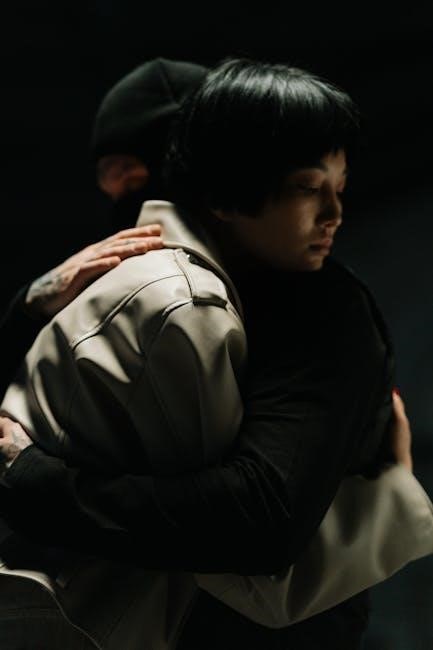
“Two Kinds” powerfully illustrates the chasm between first and second-generation Chinese-Americans, highlighting the clash of values and expectations․ A readily accessible PDF version of the story allows for close reading of the dialogue and internal monologues that reveal these differences․
Suyuan, shaped by hardship in China, believes in relentless effort and the pursuit of demonstrable talent as pathways to success․ Jing-mei, raised in America, prioritizes self-expression and resists her mother’s attempts to mold her․ Studying the story via PDF allows for detailed annotation of these contrasting viewpoints․
The generational gap is further emphasized by the differing understandings of what constitutes “success․” Suyuan equates it with achieving prodigy status, while Jing-mei seeks self-discovery and authenticity․ A PDF copy facilitates comparative analysis of their perspectives․
Tan’s story suggests that bridging this gap requires empathy and understanding, acknowledging the unique experiences and perspectives of each generation․ Utilizing a PDF alongside scholarly articles enhances comprehension of this complex dynamic․
Finding “Two Kinds” PDF Resources
Locating a PDF version of Amy Tan’s “Two Kinds” is often the first step for students and readers alike․ Numerous online platforms offer free access to the story, facilitating convenient study and analysis․ Many educational websites dedicated to literature provide downloadable PDF copies for classroom use․
A quick internet search using keywords like “Amy Tan Two Kinds PDF” yields a variety of results․ Websites such as CommonLit and various university course pages frequently host the story in PDF format․ However, it’s crucial to verify the source’s legitimacy to ensure a safe download․
Project Gutenberg, while not always hosting this specific story, is a reliable source for classic literature in PDF․ Additionally, online bookstores sometimes offer sample chapters or the complete story as a PDF preview․
Remember to respect copyright laws when downloading and distributing PDF versions of copyrighted material․ Utilizing legally obtained PDFs supports the author and promotes ethical reading practices․
Reliable Sources for Text and Analysis
When researching Amy Tan’s “Two Kinds,” accessing trustworthy sources for both the story’s text and critical analysis is paramount․ CommonLit stands out as a reputable platform offering the story alongside comprehension questions and discussion prompts, often available for free․
University websites, particularly those hosting English or American Literature courses, frequently provide the text and scholarly analyses․ Look for course syllabi or online reading lists from institutions like Harvard or Stanford․
JSTOR and Project MUSE are academic databases offering peer-reviewed articles dissecting “Two Kinds,” though access often requires institutional affiliation․ Literary Hub and The Paris Review occasionally feature essays exploring Tan’s work․
For PDF versions, be cautious; prioritize sources like educational institutions or established literary organizations․ Avoid downloading from unverified websites․ Always cross-reference information to ensure accuracy and a comprehensive understanding of the story’s themes and literary techniques․
Educational Uses of the Story
Amy Tan’s “Two Kinds” proves a remarkably versatile tool in educational settings, spanning middle school through college․ Its exploration of mother-daughter relationships, cultural identity, and the immigrant experience resonates with diverse student populations․
Teachers frequently utilize the story to foster discussions on intergenerational conflict, the pressures of parental expectations, and the complexities of assimilation․ Analyzing the narrative structure – particularly its framing device – enhances students’ understanding of point of view and unreliable narration․
The availability of the story as a PDF facilitates classroom distribution and annotation․ Assignments often include character analysis essays, thematic explorations, and creative writing prompts inspired by Tan’s style․
“Two Kinds” also serves as an excellent springboard for examining literary devices like symbolism (the piano), foreshadowing, and conflict․ Furthermore, it encourages critical thinking about the “American Dream” and its varying interpretations across cultures and generations․
Further Reading and Related Works
For readers captivated by Amy Tan’s “Two Kinds,” exploring her broader body of work offers richer context․ The Joy Luck Club, her debut novel, shares thematic resonances – particularly concerning mother-daughter dynamics and the Chinese-American experience – and provides a more expansive narrative landscape․
Other novels like The Kitchen God’s Wife and Saving Fish from Drowning continue Tan’s exploration of cultural identity, family secrets, and the challenges of cross-cultural understanding․
Beyond Tan, works by other Asian-American authors offer compelling perspectives․ Maxine Hong Kingston’s The Woman Warrior is a seminal text examining Chinese-American identity, while Jhumpa Lahiri’s short stories delve into the complexities of the immigrant experience in a contemporary setting․
Accessing critical essays and analyses – often available as PDFs online – can deepen understanding of Tan’s literary techniques and the story’s cultural significance․ Websites dedicated to literary analysis and academic journals provide valuable insights․