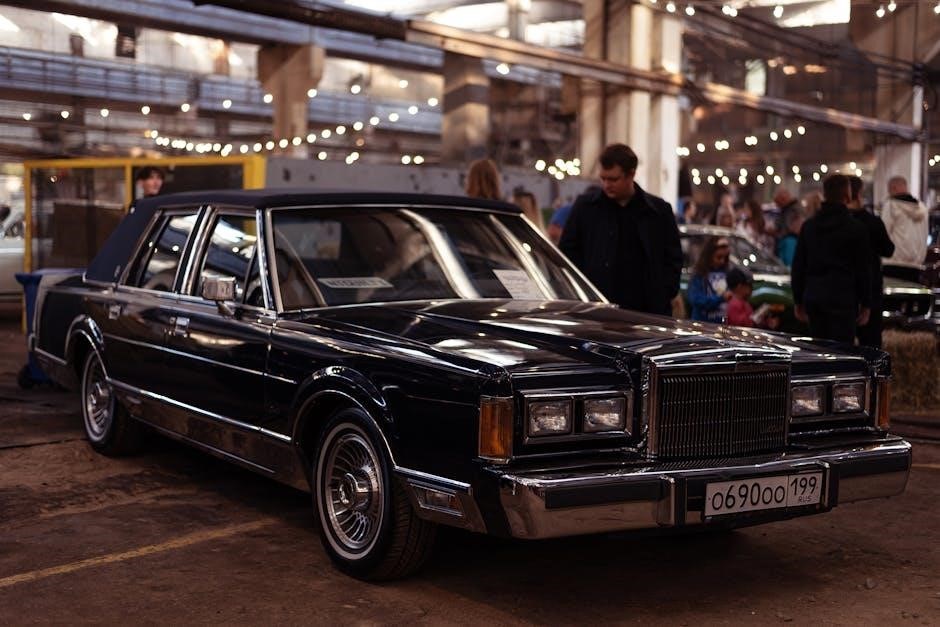
2002 lincoln ls manual
The 2002 Lincoln LS, a mid-size luxury vehicle, offered a unique driving experience, particularly with its optional manual transmission. This guide delves into the specifics of this transmission, common issues, and crucial maintenance procedures for owners seeking to preserve their vehicle’s performance and longevity.
Overview of the 2002 Lincoln LS
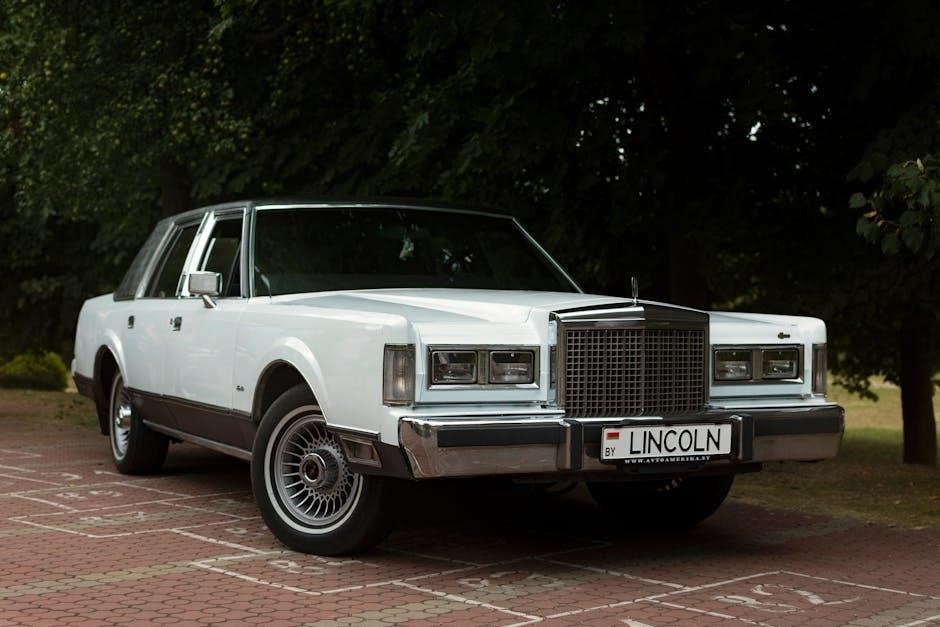
The 2002 Lincoln LS represented a departure for the brand, aiming for a more sporty and European-influenced driving experience. Offered with both a 3.0L V6 and a robust 3.9L V8 engine, the LS sought to compete with imports like BMW and Mercedes-Benz. The vehicle boasted a relatively lightweight construction and a rear-wheel-drive platform, contributing to its agile handling.
However, the 2002 Lincoln LS is also known for certain transmission vulnerabilities, particularly within the 5R55S automatic transmission, which was commonly paired with the V8 engine. A significant concern revolves around the omission of a crucial reinforcement plate in some models, leading to premature wear and eventual failure. While a manual transmission option existed, it was exceptionally rare, making the automatic the predominant configuration encountered by owners. Understanding these inherent characteristics is vital for prospective buyers and current owners alike, as preventative maintenance and prompt attention to emerging issues can significantly extend the lifespan of the transmission.
Significance of the Manual Transmission Option
The availability of a manual transmission in the 2002 Lincoln LS, though uncommon, held considerable significance for driving enthusiasts; In a market increasingly dominated by automatics, the five-speed manual offered a more engaging and connected driving experience, appealing to those who preferred greater control over gear selection and engine performance. This option directly countered the perception of Lincoln as solely a manufacturer of comfort-oriented, luxury vehicles.
However, its rarity contributes to its desirability among collectors and enthusiasts today. Finding a 2002 Lincoln LS equipped with a manual transmission is a challenge, making these models potentially more valuable. While the automatic transmission’s issues are well-documented, the manual variant largely avoids these concerns. Consequently, a manual LS represents a unique and potentially more reliable ownership experience, offering a distinct alternative within the Lincoln LS lineup and a nod to a more driver-focused era of automotive design.

Engine and Transmission Specifications
The 2002 Lincoln LS primarily featured a 3.9L V8 engine paired with either the 5R55S automatic or, less commonly, a five-speed manual transmission, offering varied performance.
3.9L V8 Engine Details
The heart of many 2002 Lincoln LS models is the 3;9L V8 engine, a robust powerplant known for its smooth operation and respectable power output. This engine, part of Ford’s modular engine family, delivers a balance of performance and refinement suitable for a luxury vehicle. It typically produces around 252 horsepower and 285 lb-ft of torque, providing ample acceleration and cruising ability.
The 3.9L V8 utilizes single overhead camshafts (SOHC) and three valves per cylinder, contributing to its efficient combustion process. It’s generally considered a reliable engine, but proper maintenance, including regular oil changes and coolant flushes, is crucial for longevity. The engine’s design allows for relatively easy access to key components, simplifying some maintenance tasks. However, owners should be aware of potential issues like oil leaks and occasional sensor failures, which are common in vehicles of this age. The engine’s performance is intrinsically linked to the transmission it’s paired with, impacting the overall driving experience.
5R55S Automatic Transmission – Core Information
The 5R55S automatic transmission is a five-speed electronically controlled unit widely used in Ford and Lincoln vehicles during the early 2000s, including the 2002 Lincoln LS. It’s known for its relatively smooth shifting and adaptability to various driving conditions. However, this transmission has gained a reputation for certain inherent weaknesses, particularly concerning long-term reliability.
The 5R55S utilizes a torque converter to multiply engine torque and provides multiple gear ratios for optimal fuel efficiency and performance. Electronic control allows for adaptive shifting, learning the driver’s habits to optimize shift points. A key issue identified by owners and mechanics is the absence of a reinforcement plate in some units, leading to increased wear and eventual failure. Regular transmission fluid changes are vital, but even with diligent maintenance, issues like hard shifting, slipping, and complete failure can occur. Understanding its core function and potential vulnerabilities is crucial for LS owners.
Manual Transmission Availability and Rarity
The availability of a manual transmission in the 2002 Lincoln LS was exceptionally limited, making it a highly sought-after configuration among enthusiasts. While the vast majority of LS models were equipped with the 5R55S automatic transmission, a small percentage were produced with a five-speed manual gearbox. This rarity significantly impacts the vehicle’s collectibility and resale value.
Lincoln intentionally produced a limited run of manual LS models to cater to a niche market of drivers who preferred a more engaging driving experience. Finding a 2002 Lincoln LS with a manual transmission requires considerable patience and diligent searching. Due to their scarcity, these models often command a premium price compared to their automatic counterparts. The manual transmission option appeals to those prioritizing driver control and a more connected feel, making it a unique and desirable feature within the Lincoln LS lineup.

Common Transmission Problems
The 2002 Lincoln LS transmissions, both automatic and manual, exhibit specific issues. These include erratic shifting, disengagement, hard shifting, surging, and reverse gear failures, requiring careful diagnosis.
Erratic Shifting Between 4th and Reverse Gears
A frequently reported issue with the 2002 Lincoln LS’s 5R55S automatic transmission is erratic shifting specifically between 4th gear and reverse. Owners describe a noticeable problem where the transmission struggles to smoothly engage either gear, often exhibiting a harsh or delayed shift. This issue is often temperature-dependent, functioning better when the transmission is cold and worsening as it warms up to operating temperature.
The root cause, as identified by transmission specialists, frequently points to the omission of a crucial reinforcement plate within the 5R55S transmission itself. Ford reportedly removed this plate during the manufacturing process, leading to increased wear and tear on internal components. This ultimately results in the observed shifting difficulties and, if left unaddressed, can lead to complete failure of the 3rd or 4th gear, necessitating a full transmission replacement. Proactive diagnosis and potential installation of the missing plate are vital preventative measures.
Transmission Disengagement at Various Speeds
A concerning symptom reported by 2002 Lincoln LS owners is the sudden and unexpected disengagement of the transmission while driving at various speeds. This manifests as a loss of power, with the engine revving freely while the vehicle coasts, creating a potentially dangerous situation. The disengagement can occur during acceleration, deceleration, or even while maintaining a constant speed, making it unpredictable and difficult to anticipate.
This issue is often accompanied by hard shifting, particularly when attempting to engage reverse or drive. The transmission may initially feel like it’s engaging, but then slips out of gear under load. Contributing factors can include internal wear within the 5R55S transmission, low or degraded transmission fluid, or a malfunctioning torque converter. Thorough inspection of the transmission fluid condition and a diagnostic scan for error codes are crucial first steps in identifying the underlying cause and preventing further damage or potential safety hazards.
Hard Shifting Issues
Owners of the 2002 Lincoln LS frequently report experiencing harsh or abrupt shifting, particularly noticeable when transitioning between gears or engaging reverse and drive. This isn’t a smooth, seamless transition; instead, it feels like a significant jolt or thump, causing discomfort and potentially damaging internal transmission components over time. The severity can vary, ranging from a slight clunk to a violent shudder.
This symptom often coincides with transmission disengagement and erratic shifting between 4th and reverse. A common culprit, especially in the 3.9L V8 models equipped with the 5R55S transmission, is the absence of a crucial reinforcement plate within the transmission itself. This plate provides essential structural support, and its omission leads to increased flex and wear, resulting in hard shifting and eventual gear failure. Addressing this issue proactively, if applicable, is vital for long-term transmission health and preventing costly repairs.
Surging at Idle and Delayed Downshifting
A disconcerting symptom reported by 2002 Lincoln LS owners is a noticeable surging sensation while the vehicle is idling in gear. This manifests as an irregular engine RPM, fluctuating up and down without driver input, creating a jerky and unsettling experience. Coupled with this, many experience significant delays when attempting to downshift, particularly upon deceleration.
The transmission may refuse to downshift until reaching unusually high RPMs – often 3000-3500 RPM – before finally engaging a lower gear. This not only impacts fuel efficiency but also puts undue stress on the engine and transmission. These issues are frequently interconnected and can stem from problems within the transmission’s valve body or torque converter. Furthermore, the absence of the reinforcement plate in the 5R55S transmission, a common issue in these vehicles, can exacerbate these symptoms, contributing to erratic performance and potential long-term damage.
Specific Issues & Potential Causes
Recurring problems include a missing reinforcement plate within the 5R55S transmission, reverse gear failures, and automatic shifting malfunctions, often triggered by vehicle washing.
The Missing Reinforcement Plate in the 5R55S
A significant and frequently cited issue affecting the 5R55S automatic transmission in the 2002 Lincoln LS, and related Ford/Mercury vehicles, is the omission of a crucial reinforcement plate. This plate, present in earlier iterations of the transmission, provided vital support to the internal components. Its removal, reportedly a cost-cutting measure, has led to a cascade of problems.
Specifically, the lack of this plate weakens the transmission case, making it more susceptible to flexing and distortion under stress. This, in turn, causes hard shifting, particularly between 4th and reverse gears, and can ultimately result in the complete loss of 3rd and 4th gears. Owners have reported experiencing erratic shifting, especially when the transmission is warmed up, with smoother operation observed when the engine is cold.
The long-term consequence of this design flaw is often a complete transmission failure necessitating a costly replacement or rebuild. Transmission shops familiar with these vehicles routinely identify this missing plate as the root cause of many common complaints.
Impact of Washing the Vehicle on Transmission Function
An unusual, yet repeatedly reported, issue with the 2002 Lincoln LS transmission involves a correlation between vehicle washing and subsequent transmission malfunctions. Owners have observed that after power washing or even a standard car wash, the transmission light illuminates, and the vehicle begins to shake or exhibit erratic behavior.
While the exact mechanism isn’t fully understood, the prevailing theory centers around water intrusion into the transmission’s electrical connectors or through compromised seals. This moisture can disrupt the electrical signals controlling the transmission, leading to shifting problems and the activation of the check engine light. It’s important to note that this issue doesn’t always trigger an overheating condition.
The problem appears to be intermittent, resolving itself once the transmission has a chance to dry out. However, repeated exposure to water can exacerbate the issue, potentially causing permanent damage to the transmission control module or internal wiring. Careful avoidance of direct water spray towards the underside of the vehicle is recommended.
Reverse Gear Failure
A significant and frequently reported problem with the 2002 Lincoln LS transmission, particularly the 5R55S automatic, is the complete failure of the reverse gear. Owners describe a scenario where the transmission will engage in other gears, but when shifted into reverse, the engine simply revs without the vehicle moving.
This failure isn’t typically accompanied by unusual noises or warning signs prior to complete loss of function. The transmission may engage audibly when shifted into reverse, creating the illusion of proper operation, but no power is transferred to the wheels. This issue often necessitates a complete transmission rebuild or replacement.
The root cause is often attributed to wear and tear on the reverse gear components within the transmission, exacerbated by the lack of a reinforcement plate in some models. When the transmission is shifted into drive using the SST (Select Shift Technology) and then manually shifted into reverse, it can sometimes temporarily bypass the issue, suggesting an internal mechanical failure.
Automatic Shifting Malfunctions
Beyond reverse gear failure, the 2002 Lincoln LS automatic transmission (5R55S) exhibits a range of automatic shifting malfunctions. A common complaint involves the transmission’s inability to shift automatically, requiring drivers to utilize the Select Shift Technology (SST) to manually control gear changes. While SST functionality confirms the transmission isn’t entirely defunct, it highlights a critical failure in the automatic shifting mechanism.
Other reported issues include harsh or erratic shifting, particularly between 4th and reverse gears, often becoming more pronounced when the transmission reaches operating temperature. Some owners experience the transmission disengaging entirely at various speeds, creating a dangerous driving situation. Delayed downshifting and surging at idle further contribute to the unreliable automatic operation.
These malfunctions are frequently linked to internal wear, the absence of the crucial reinforcement plate, and potentially, fluid contamination or low fluid levels. Diagnostic scans often reveal error codes, but pinpointing the exact cause requires a thorough inspection;

Diagnostic and Repair Considerations
Effective diagnosis involves utilizing the SST system, checking for diagnostic trouble codes, and meticulously evaluating transmission fluid condition. Replacement may be necessary.
Using SST (Select Shift Technology) as a Diagnostic Tool
The 2002 Lincoln LS’s Select Shift Technology (SST) offers a valuable diagnostic avenue when encountering transmission issues. Many owners have reported that when automatic shifting fails, engaging SST and manually controlling gear selection restores functionality. This suggests an internal problem within the automatic transmission’s control system or mechanical components.
If the transmission operates normally in SST mode but exhibits problems in automatic mode, it strongly indicates a fault lies within the automatic shifting mechanisms – potentially solenoids, sensors, or the transmission control module (TCM). Observing how the transmission behaves under manual control can help pinpoint the nature of the malfunction. For example, consistent slipping in a specific gear, even in SST, points to internal damage within that gearset.
Furthermore, utilizing SST can help isolate whether the issue is purely electronic or involves mechanical failure. It’s a crucial first step before pursuing more extensive and costly repairs.
Checking for Error Codes
Retrieving diagnostic trouble codes (DTCs) is a fundamental step in diagnosing 2002 Lincoln LS transmission problems. These codes, stored within the vehicle’s powertrain control module (PCM), provide valuable insights into the nature of the malfunction. A standard OBD-II scanner can access these codes, offering a starting point for investigation.
Common codes related to the 5R55S transmission include those indicating solenoid failures, internal mechanical issues, or problems with the transmission control module (TCM). However, it’s crucial to remember that a DTC merely points to a potential problem area; further diagnosis is always required.
Pay close attention to the specific code descriptions and associated freeze frame data, which captures vehicle conditions at the time the code was set. Clearing the codes after repair is essential, and re-scanning to confirm the issue is resolved is highly recommended. Ignoring error codes can lead to escalating damage and more expensive repairs down the line.
Transmission Fluid Condition and Maintenance
Maintaining optimal transmission fluid levels and condition is paramount for the longevity of the 2002 Lincoln LS’s 5R55S automatic transmission. Regularly checking the fluid – ideally every month – ensures proper lubrication and cooling. The fluid should be bright red and translucent; a dark, murky appearance indicates degradation and the need for a fluid change.
Lincoln recommends using a specific Mercon V fluid. Using the incorrect fluid can cause severe damage. A complete fluid flush, performed every 30,000-60,000 miles, is advisable, though some mechanics suggest a simple drain and fill to avoid disturbing potential debris in older transmissions.
Be cautious when power washing the vehicle, as water intrusion into the transmission can cause issues, as reported by some LS owners. Inspect the transmission pan gasket for leaks and address them promptly. Proper fluid maintenance is a cost-effective way to prevent costly repairs.
Potential for Transmission Replacement
Unfortunately, the 2002 Lincoln LS’s 5R55S transmission is prone to failure, potentially necessitating a complete replacement. A significant contributing factor is the omission of a reinforcement plate in some models, leading to internal wear and eventual loss of gears, particularly 3rd and 4th, as reported by transmission specialists.
Symptoms indicating impending failure include erratic shifting between 4th and reverse, complete transmission disengagement at various speeds, and harsh, delayed shifting. If these issues persist despite fluid changes and other repairs, replacement becomes increasingly likely.
Replacement costs can vary significantly, ranging from a used transmission to a remanufactured or new unit. Considering the vehicle’s age and value, a cost-benefit analysis is crucial before investing in a major repair. Explore options like salvage yards and reputable transmission rebuilders to find the most economical solution.

Long-Term Reliability and Maintenance
Proactive maintenance, including regular fluid checks and prompt attention to shifting issues, is vital for maximizing the 2002 Lincoln LS transmission’s lifespan and overall reliability.
Preventative Maintenance Schedule
Establishing a rigorous preventative maintenance schedule is paramount for the 2002 Lincoln LS transmission. Begin with fluid level checks every 30,000 miles, ensuring the fluid is bright red and free of debris. A complete transmission fluid and filter change should occur every 60,000 miles, or sooner if harsh shifting or other anomalies are detected.
Inspect transmission lines for leaks or damage during routine vehicle inspections. Pay close attention to the condition of the transmission mount, replacing it if worn to prevent excessive vibration. Addressing minor issues promptly can prevent cascading failures. For vehicles frequently washed, carefully inspect for water intrusion around the transmission, as reported instances suggest a correlation between washing and transmission malfunctions.
Consider a transmission fluid analysis to identify potential wear metals or contaminants. This proactive step can reveal underlying problems before they escalate. Finally, remember that the absence of the reinforcement plate in the 5R55S transmission necessitates even more diligent monitoring and maintenance.
Addressing Transmission Issues Early
Promptly addressing any transmission concerns in the 2002 Lincoln LS is crucial, particularly given the known vulnerabilities of the 5R55S automatic. Erratic shifting between 4th and reverse, especially when warm, should be investigated immediately – this often signals the absence of the critical reinforcement plate. Ignoring this can lead to complete gear failure and costly replacement.
Any instance of transmission disengagement at speed, hard shifting, or surging at idle demands immediate attention. These symptoms can indicate internal damage or fluid contamination. If reverse gear fails, or the transmission only operates in SST mode, do not delay seeking professional diagnosis.
Even seemingly minor issues, like a transmission light illuminating after a car wash, warrant investigation. Early detection allows for less invasive and less expensive repairs, potentially saving you from a complete transmission overhaul. Proactive intervention is key to maintaining the longevity and reliability of your Lincoln LS’s drivetrain.
Overall Reliability of the 2002 Lincoln LS Transmission
The overall reliability of the 2002 Lincoln LS transmission, specifically the 5R55S automatic, is considered moderate, with a significant caveat. The absence of the reinforcement plate in many units dramatically reduces lifespan and increases the likelihood of failure. Vehicles exhibiting symptoms like erratic shifting or hard engagement are particularly vulnerable.
While some LS models experience decades of trouble-free operation with diligent maintenance, others require transmission replacement before reaching 100,000 miles. The V8 engine’s torque output places considerable stress on the transmission, exacerbating existing weaknesses.
Regular fluid changes, careful driving habits, and prompt attention to early warning signs are essential for maximizing transmission life. Owners should be aware of the potential for costly repairs and factor this into long-term ownership considerations. Proactive maintenance significantly improves the odds of a reliable driving experience.